

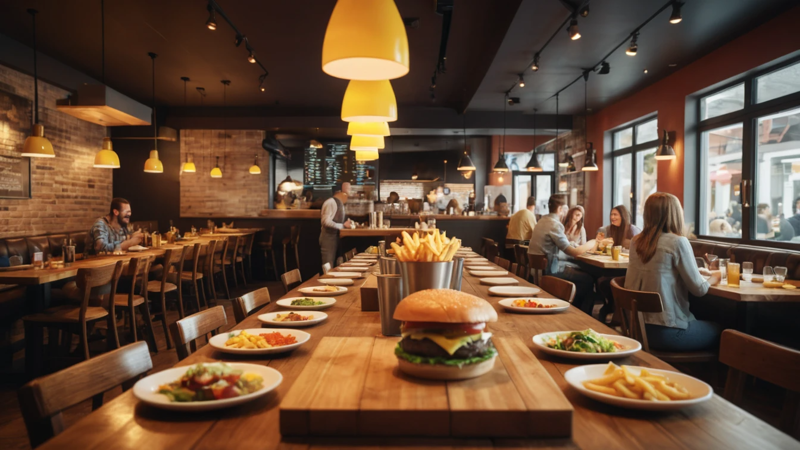
Restaurants for rent can look like a shortcut to launching your dream business, but the wrong choice can quietly drain your budget before you even open your doors.
I learned this the hard way when I almost signed a lease for a cozy corner spot that looked perfect during a daytime visit but turned into a ghost street after sunset.
That one visit taught me that a space is more than its interiors.
It is about timing, location flow, hidden costs, and long-term sustainability.
Table of Contents
Location Is Not Just About Foot Traffic
Most people assume high foot traffic guarantees success.
That is not always true.
A busy street during office hours might be empty at dinner time, which is when most food businesses make their money.
I once evaluated a spot near a corporate hub that looked packed at noon but felt abandoned by 7 PM.
Understanding the type of crowd matters more than the number of people.
Families, students, tourists, or office workers all behave differently, so exploring options like restaurants for rent can help you match your concept with the right audience.
Look at who passes by, when they pass, and whether they match your concept.
Understand the Lease Terms Clearly
Lease agreements are where many first-time renters make mistakes.
Some spaces seem affordable until you read the fine print.
Hidden costs like maintenance fees, property tax shares, or equipment clauses can quickly increase your monthly expenses.
I remember reviewing a lease where the base rent looked reasonable, but the additional charges made it 30 percent higher.
Always check the lease duration, renewal conditions, and exit clauses.
Flexibility can save you if your concept needs to pivot.
Inspect Existing Infrastructure
A restaurant space is not just walls and tables.
It is plumbing, electrical capacity, ventilation, and kitchen layout.
Upgrading these systems can cost more than the rent itself.
I once walked into a space that looked ready to operate, but the exhaust system did not meet local regulations.
Fixing it required a complete redesign of the kitchen.
That one detail changed the entire investment calculation.
Evaluate the Surrounding Competition
Competition is not always bad.
In fact, it can attract more customers to an area.
But too much of the same concept can limit your growth.
If there are already five similar restaurants nearby, you need a strong differentiator.
When I was scouting locations, I noticed a cluster of cafes competing for the same audience.
The ones that survived had a clear identity, not just good food.
Check Licensing and Compliance Requirements
Regulations can delay your opening if not handled early.
Different cities require various permits related to health, fire safety, and zoning.
Some properties are not even approved for certain types of food service.
I once saw a great space fall through because it could not get approval for late-night operations.
Always confirm compliance before signing anything.
Look Beyond the Interior Design
A beautiful interior can be misleading.
It is easy to fall in love with décor and ignore functionality.
Think about workflow, seating arrangement, and customer movement.
During one visit, I noticed that the kitchen entry blocked the main service path.
That small flaw would have slowed down service during peak hours.
Function always beats aesthetics in the long run.
Analyze the Financial Viability
Numbers tell the real story.
Estimate your expected revenue based on location, seating capacity, and pricing.
Then compare it with your total costs, including rent, staff, and supplies.
I once created a simple projection for a potential space and realized I would need unrealistic daily sales to break even.
That clarity saved me from making an emotional decision.
Talk to Neighboring Businesses
Local business owners can offer insights you will not find in listings.
They know customer behavior, seasonal trends, and landlord reputation.
When I was considering a lease, I spoke to a nearby shop owner who mentioned frequent maintenance issues in the building.
That information changed my decision instantly.
Real conversations often reveal what contracts do not.
Consider Future Growth Potential
Think beyond your opening day.
Can the space support expansion, new menu items, or increased demand.
A small kitchen might work initially but limit your growth later.
I once saw a successful food concept struggle because they outgrew their space within a year.
Planning ahead avoids costly relocations.
Explore Reliable Listings Carefully
Finding the right property takes time and patience.
Online platforms can help, but not all listings are accurate or updated.
Always verify details through site visits and direct communication.
Use listings as a starting point, not the final decision-maker.
Trust Your Instincts After Research
Data and analysis are essential, but your instincts matter too.
If something feels off during a visit, take a step back.
I have walked away from deals that looked perfect on paper but did not feel right in person.
Later, I discovered issues that confirmed my doubts.
A balanced approach of logic and intuition works best.
Final Thoughts on Choosing the Right Space
Restaurants for rent can open doors to exciting opportunities when chosen carefully.
Every detail, from location timing to lease terms, plays a role in long-term success.
Rushing into a decision often leads to costly mistakes.
Taking time to evaluate each factor gives you control over your investment.
A well-chosen space does more than house your business.
It supports your vision, your operations, and your growth for years to come.






Leave a Reply