

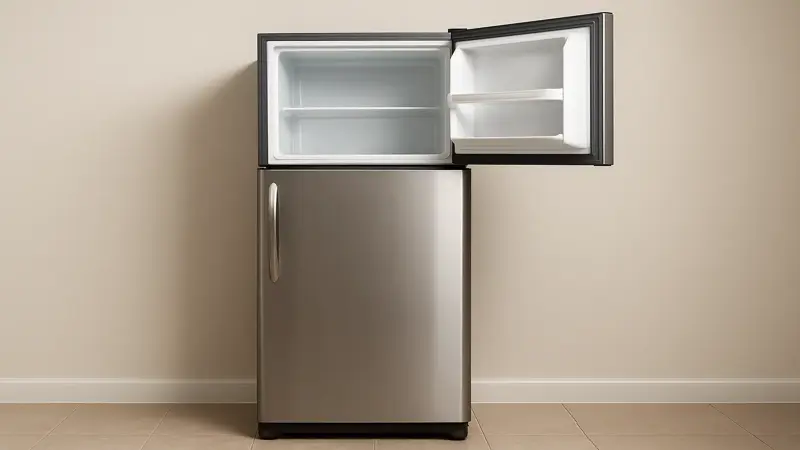
Clermont refrigerator repair becomes urgent the moment your fridge stops keeping food cold, and you feel that instant concern about everything inside.
I remember opening my fridge one morning and noticing the juice wasn’t as cold as usual.
At first, I brushed it off, thinking maybe I had left the door slightly open overnight.
By evening, the vegetables felt soft, and the reality of a cooling issue hit hard.
Refrigerators rarely fail without warning if you know what to look for.
Small performance drops usually show up before a complete breakdown.
Understanding those early signs can save you from food waste and expensive repairs.
Table of Contents
Why does your fridge suddenly stop cooling
A refrigerator works quietly in the background, so most people don’t notice problems until it’s too late.
Inside, multiple components work together to maintain consistent cooling.
If even one part fails, the entire system struggles.
In many homes, I’ve noticed similar symptoms repeating across different brands and models.
Some people report a warm fridge with a cold freezer.
Others notice everything warming up at the same time.
Each symptom points to a different root cause, which is why exploring expert solutions like Clermont refrigerator repair can help identify the exact issue faster.
Dirty condenser coils cause hidden overheating
One of the most overlooked issues is dirty condenser coils.
These coils release heat from the refrigerator.
When dust builds up, heat cannot escape efficiently.
The fridge then works harder and struggles to stay cool.
I once helped a friend who was ready to replace their fridge completely.
We pulled it away from the wall and found thick dust covering the coils.
After cleaning, the cooling improved within hours.
If your fridge feels warm on the outside, this is often the reason.
Faulty evaporator fan disrupts airflow
Cold air must circulate evenly inside the fridge.
The evaporator fan ensures that air reaches every compartment.
If it stops working, cooling becomes uneven.
You might notice the freezer still working while the fridge section warms up.
This imbalance is a strong indicator of airflow issues.
Sometimes the fan makes strange noises before failing completely.
Ignoring those sounds can lead to more serious problems later.
Thermostat issues that affect temperature control
The thermostat controls when the cooling cycle turns on and off.
If it malfunctions, your fridge may not cool properly.
In some cases, it may run continuously without reaching the right temperature.
I once dealt with a fridge that seemed to run nonstop but never got cold.
The issue turned out to be a faulty thermostat sending incorrect signals.
Replacing it restored normal operation quickly.
It’s a small part, but it has a major impact on performance.
Blocked vents reduce cooling efficiency
Airflow inside the refrigerator is essential for proper cooling.
Blocked vents can prevent cold air from circulating.
This usually happens when food is packed too tightly.
I’ve seen refrigerators so full that air couldn’t move at all.
The result is uneven cooling and spoiled food in certain areas.
Simply rearranging items can sometimes solve the problem immediately.
It’s one of the easiest fixes you can try yourself.
Compressor problems and what they mean
The compressor is the core of your refrigerator’s cooling system.
When it fails, the entire cooling process stops.
You may hear clicking sounds or notice the fridge struggling to start.
These are warning signs that shouldn’t be ignored.
I once delayed addressing a clicking sound in my fridge.
That delay turned a minor issue into a costly repair.
Compressor problems usually require professional attention.
Handling them early can prevent complete appliance failure.
Refrigerant leaks and cooling failure
Refrigerant is responsible for absorbing heat and keeping your fridge cold.
If there’s a leak, cooling efficiency drops significantly.
The fridge may run continuously without reaching the desired temperature.
This issue requires specialized tools and expertise to fix.
I’ve seen cases where ignoring a leak led to damage in other components.
Addressing it early helps avoid more expensive repairs.
Door seals that quietly ruin performance
The door gasket plays a critical role in maintaining internal temperature.
If it becomes loose or damaged, cold air escapes.
This forces the refrigerator to work harder than necessary.
I once noticed condensation forming around the door edges.
That was the first sign the seal had worn out.
Replacing it improved cooling almost instantly.
It’s a simple fix that often gets overlooked.
Quick fixes you can try before calling a technician
Not every issue requires professional repair right away.
Some problems can be solved with basic troubleshooting.
Start by unplugging the fridge and plugging it back in after a few minutes.
Check the temperature settings to ensure they are correct.
Clean the condenser coils thoroughly.
Make sure vents are not blocked by food items.
Inspect the door seal for any visible damage.
These steps can resolve many common cooling issues.
When to stop troubleshooting and call for help
There comes a point when DIY fixes are no longer effective.
If your fridge still isn’t cooling properly, it’s time to seek professional help.
Electrical issues, compressor failures, and refrigerant leaks need expert handling.
Trying to fix them without proper knowledge can make things worse.
I’ve seen simple problems turn into major repairs due to guesswork.
Knowing when to call a technician can save both time and money.
Final thoughts from real-life experience
A refrigerator rarely fails without giving warning signs.
Small changes in cooling performance often indicate deeper issues.
Paying attention early can prevent bigger problems later.
From personal experience, acting quickly makes a huge difference.
If something feels off, it’s worth checking immediately.
Simple steps can sometimes fix the issue, but knowing when to get help is key.
That balance is what keeps your refrigerator running efficiently for years.



Leave a Reply