

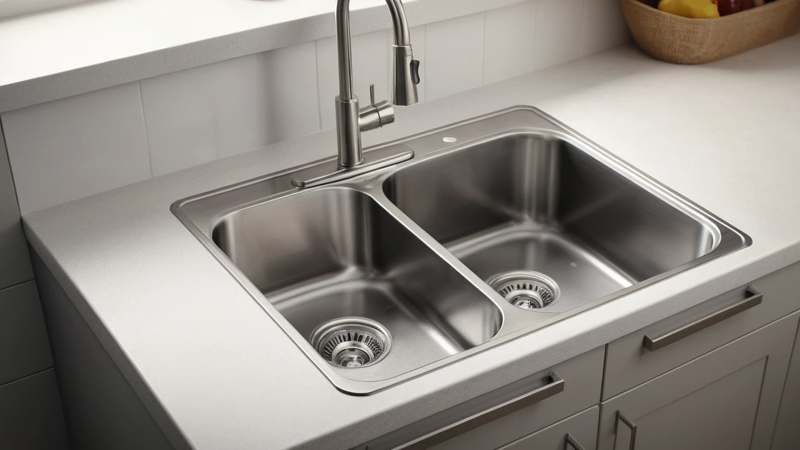
Garbage disposal plumbing made simple. Learn how it works, common problems, fixes, and maintenance tips to keep your kitchen drain running smoothly.
Garbage disposal plumbing connects your disposal unit to the sink drain and sewer line so food waste flows out safely. It prevents clogs, reduces odors, and protects pipes when installed and used correctly. Good plumbing keeps your kitchen clean, fast, and stress-free.
Have you ever flipped the switch and heard a scary grind or sudden silence? 😬
Garbage disposal plumbing matters more than most homeowners realize.
Garbage disposal plumbing is the system that carries food waste from your sink through the disposal and into the drain line. When designed well, it prevents backups, leaks, and bad smells. When done poorly, it causes constant clogs and costly repairs.
Table of Contents
Garbage Disposal Plumbing: A Complete Homeowner Guide
What Garbage Disposal Plumbing Really Is 🚰
Garbage disposal plumbing includes the disposal unit, drain pipes, trap, and dishwasher connection. These parts work together to move food waste away from your sink. If one part fails, the whole system struggles.
Most systems use PVC pipes connected to a P-trap under the sink. The P-trap holds water to block sewer gases. Proper slope and tight seals keep water flowing smoothly.
Poor plumbing design causes slow drains and leaks. Correct alignment keeps pressure balanced. This protects your cabinets and flooring from water damage.
Good plumbing also reduces noise and vibration. That makes daily use more comfortable. A clean flow keeps odors away too.
How Garbage Disposal Plumbing Works ⚙️
When you turn on the disposal, spinning blades grind food into small particles. Water pushes those particles into the drain line. Gravity then moves them toward the sewer.
The drain pipe must slope downward slightly. This helps waste move without sticking. Flat pipes cause buildup over time.
The P-trap plays a key role here. It traps debris that falls too fast. It also blocks harmful sewer gases.
Air pressure matters as well. Venting keeps water moving smoothly. Without it, drains gurgle and slow down.
Key Parts Of A Garbage Disposal Plumbing System 🧩
Every system has a disposal unit, flange, drain elbow, P-trap, and wall pipe. Some setups also include a dishwasher inlet. Each part has a specific job.
The flange seals the disposal to the sink. A poor seal leads to leaks. The drain elbow directs waste into the trap.
The P-trap is curved for a reason. It prevents sewer smells from rising. It also catches heavy debris.
Dishwasher hoses connect higher up. This prevents dirty water from flowing backward. Small details make a big difference.
Common Garbage Disposal Plumbing Layouts 🏠
Single-basin sinks use a simple straight layout. Waste flows directly into the wall pipe. These setups are easy to maintain.
Double-basin sinks use a shared drain. One side often connects to the disposal. The other side drains separately.
Improper layouts cause frequent clogs. Pipes must align evenly. Sharp angles slow water flow.
Compact kitchens need tight designs. Space-saving traps help. Good planning avoids future headaches.
Garbage Disposal Plumbing Do’s And Don’ts ✅❌
Some habits protect your plumbing. Others slowly destroy it. Knowing the difference saves money.
Do this:
- Run cold water during use
- Cut food into small pieces
- Clean monthly with baking soda
Avoid this:
- Pouring grease or oil
- Grinding fibrous foods
- Using harsh chemicals
Good habits extend system life. Bad habits cause backups fast. Small changes matter daily.
Foods That Damage Disposal Plumbing 🍌
Certain foods don’t break down well. They cling to pipes and traps. Over time, this creates blockages.
Fibrous foods like celery wrap around blades. Starchy foods swell inside pipes. Grease hardens after cooling.
Even small amounts add up. Slow drains are early warning signs. Ignoring them leads to full clogs.
Stick to soft scraps only. Compost when possible. Your plumbing will thank you.
Signs Of Garbage Disposal Plumbing Problems 🚨
Slow draining water is the first clue. Strange gurgling sounds follow. These signals should never be ignored.
Leaks under the sink are serious. They damage cabinets quickly. Mold can form silently.
Bad smells mean trapped waste. Cleaning helps temporarily. Plumbing fixes solve it long-term.
Complete backups require action fast. Shut off the unit. Call a professional if needed.
How To Fix Minor Disposal Plumbing Issues 🔧
Minor clogs often clear with hot water and soap. A plunger can help too. Never plunge aggressively.
Tighten loose fittings by hand first. Over-tightening cracks PVC. Gentle pressure works best.
Clean the P-trap carefully. Place a bucket below first. Remove debris slowly.
If problems return often, stop DIY fixes. Repeated issues signal design flaws. Professional help saves money.
When Garbage Disposal Plumbing Needs Replacement 🛑
Old pipes become brittle. Small cracks turn into leaks. Replacement is safer than patching.
Frequent clogs mean pipe diameter issues. Older homes often have narrow drains. Modern standards improve flow.
Rust stains or corrosion are red flags. These weaken joints. Water damage follows fast.
Replacing early prevents emergencies. Planned upgrades cost less. Stress drops immediately.
Garbage Disposal Plumbing Installation Basics 🧰
Correct installation starts with alignment. The disposal must sit level. Misalignment causes leaks.
Pipe length matters. Too long causes sagging. Too short creates tension.
All seals must be watertight. Plumber’s putty helps. Test before full use.
Never rush installation. Small mistakes grow quickly. Precision protects your kitchen.
DIY Vs Professional Garbage Disposal Plumbing 🤔
DIY works for simple fixes. Cleaning and tightening are safe. Complex work needs experience.
Professionals handle venting and slope. These details affect performance. Mistakes stay hidden until damage appears.
Improper installs void warranties. Insurance claims may fail too. That risk adds up.
Know your limits. Smart homeowners choose wisely. Safety always comes first.
Garbage Disposal Plumbing Cost Overview 💰
| Service Type | Typical Cost Range | Notes |
| Minor Repair | $75–$150 | Tightening or unclogging |
| Full Install | $250–$600 | Includes disposal unit |
| Pipe Replacement | $150–$400 | Depends on layout |
Costs vary by location. Complexity increases price. Quality work lasts longer.
Preventing Garbage Disposal Plumbing Clogs 🧼
Prevention is cheaper than repair. Daily habits matter most. Small actions add protection.
Run water before and after use. This flushes debris fully. Cold water works best.
Clean monthly with ice cubes. They scrape buildup. Add citrus for freshness 🍋.
Never overload the unit. Feed scraps slowly. Patience protects pipes.
Dishwasher And Disposal Plumbing Connection 🍽️
Dishwashers often connect to disposals. This saves space. It also needs proper setup.
The knockout plug must be removed. Forgetting causes backups. Many first-time installs fail here.
High loops prevent backflow. Dirty water stays out. Health codes require this.
Check hoses yearly. Cracks cause leaks. Prevention avoids cabinet damage.
Garbage Disposal Plumbing Materials Compared 🧪
| Material | Pros | Cons |
| PVC | Affordable, light | Can crack |
| ABS | Strong, smooth | Louder |
| Metal | Durable | Corrodes |
Material choice affects noise and lifespan. Modern homes favor PVC. Proper install matters more than material.
Code Requirements For Disposal Plumbing 📋
Local codes regulate pipe size and venting. These rules protect health. Ignoring them causes fines.
Most codes require traps and vents. Some limit disposal use. Always check local rules.
Improper plumbing affects resale value. Inspections catch errors. Fixing later costs more.
Compliance ensures safety. It also improves performance. Rules exist for good reasons.
Maintenance Tips For Long-Term Plumbing Health 🧠
Consistency keeps systems working. Monthly checks prevent surprises. Five minutes saves hours later.
Inspect for moisture under sinks. Touch fittings gently. Early leaks are easy fixes.
Listen for sound changes. Grinding or humming signals trouble. Act quickly.
Maintenance builds confidence. Your kitchen stays reliable. Peace of mind matters.
Maintenance Schedule Snapshot 📆
| Task | Frequency |
| Visual Inspection | Monthly |
| Deep Cleaning | Every 3 Months |
| Professional Check | Yearly |
Simple schedules prevent chaos. Stick to them. Results follow.
Final Thoughts On Garbage Disposal Plumbing
Garbage disposal plumbing keeps kitchens clean and efficient. When designed well, it prevents clogs and odors. Smart habits extend system life. Proper installation protects your home. A little care avoids big repairs.
FAQs
How does garbage disposal plumbing get clogged?
Clogs form when grease, starch, or fibrous food sticks inside pipes. These materials harden or tangle. Over time, water flow slows and backups happen.
Can garbage disposal plumbing handle grease?
No, grease cools and solidifies inside pipes. It coats the walls and traps debris. This leads to stubborn clogs.
Why does my garbage disposal smell bad?
Food scraps can get stuck in the P-trap or disposal chamber. Bacteria grow and cause odors. Cleaning and flushing usually help.
Is garbage disposal plumbing safe for old homes?
Older homes may have narrow or weak pipes. Disposals can overload them. A plumbing check is smart before installing.
How often should garbage disposal plumbing be inspected?
A quick monthly visual check is ideal. Professional inspections once a year catch hidden issues. Prevention saves money.



Leave a Reply