

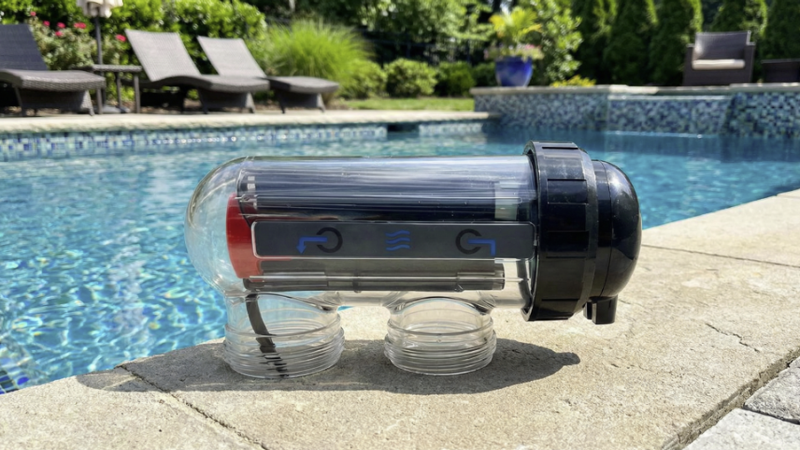
Saltwater pools are widely appreciated for their convenience, softer water feel, and reduced reliance on manual chemical additions. At the centre of this system sits the salt cell, a critical component responsible for generating chlorine and keeping the water clean and safe. While it often works quietly in the background, its role is essential.
However, many pool owners overlook the importance of timely chlorinator cell replacement. This delay may seem harmless at first, but it can gradually lead to a range of problems that affect water quality, increase maintenance efforts, and reduce overall system performance.
Table of Contents
What Happens When a Salt Cell Starts to Fail
Declining Water Quality and Clarity
One of the most visible consequences of not replacing a salt cell on time is a noticeable decline in water quality. The water may appear cloudy, dull, or slightly green, indicating the presence of algae or bacteria.
Without adequate chlorine levels, contaminants begin to accumulate, and the pool becomes less hygienic. Even if the issue is addressed temporarily with added chemicals, the underlying problem remains unresolved, leading to recurring water clarity issues.
Rising Maintenance Demands
As the salt cell loses its effectiveness, maintaining the pool becomes more demanding. Pool owners often find themselves adding chlorine manually, adjusting chemical levels more frequently, and spending more time testing the water.
This shift defeats one of the main advantages of a saltwater pool, which is low maintenance. Instead of a self-sustaining system, the pool begins to require constant supervision, increasing both effort and frustration.
Higher Long-Term Costs
Delaying the replacement of a salt cell can lead to increased expenses over time. While avoiding the upfront cost of a new cell may seem like a saving, it often results in higher spending on chemicals, increased energy usage, and potential repair costs.
The system may run longer to compensate for reduced efficiency, which can raise energy consumption. Additionally, imbalanced water chemistry can cause wear on surfaces and equipment, leading to further financial strain.
Risk of Damage to Pool Equipment
A failing salt cell not only affects water quality but also impacts the entire pool system. When chlorine production drops, other components, such as the pump and filtration system, must work harder to maintain balance. Mineral buildup and scaling can also increase, affecting pipes and internal components. Over time, this added stress can reduce the lifespan of key equipment, making timely replacement even more critical.
Health and Safety Concerns
Swimming in a pool with inadequate sanitation can pose health risks. Low chlorine levels allow bacteria and other harmful microorganisms to thrive, increasing the likelihood of skin irritation, eye discomfort, and other issues.
Water that appears clean may still contain contaminants, making it unsafe for regular use. Ensuring proper sanitation is not only about clarity but also about protecting the health of those using the pool.
The Critical Importance of Replacing on Time
In many cases, pool owners delay replacement because the system is still functioning to some extent. However, partial performance is not enough to maintain consistent water quality and system efficiency.
Consulting experienced pool builders in Bendigo can make a significant difference. They can assess the condition of your salt cell, recommend timely replacements, and ensure your entire pool system operates at its best. Their expertise helps prevent minor issues from turning into costly problems, saving both time and money in the long run.
Conclusion
Failing to replace a pool salt cell on time can lead to a range of problems, from poor water quality and increased maintenance to higher costs and potential health risks. While the effects may develop gradually, they can quickly escalate if left unaddressed.
By replacing the salt cell at the appropriate time, you can maintain clean, safe water, protect your equipment, and avoid unnecessary expenses. Proactive maintenance is always the smarter and more cost-effective approach.
Frequently Asked Questions
What are the signs that a pool salt cell needs replacing?
Common signs include low or inconsistent chlorine levels, cloudy or green water, frequent need for manual chemical adjustments, and visible calcium buildup on the cell plates.
Can a salt cell be cleaned instead of replaced?
Cleaning can remove calcium deposits and temporarily improve performance, but it does not restore a worn-out cell. Once the internal components degrade, replacement becomes necessary for proper function.
What happens if a pool salt cell completely fails?
When a salt cell fails, chlorine production stops entirely. This leads to rapid deterioration in water quality, increased algae growth, and unsafe swimming conditions if not addressed quickly.
Is it safe to swim in a pool with a faulty salt cell?
Swimming in a pool with a faulty salt cell is not recommended. Low chlorine levels allow bacteria and contaminants to thrive, increasing the risk of skin irritation, eye discomfort, and other health concerns.
Can a failing salt cell damage other pool equipment?
Yes, a failing salt cell can place extra strain on the pump, filtration system, and other components. This added pressure can lead to premature wear and reduced efficiency across the entire pool system.


Leave a Reply