

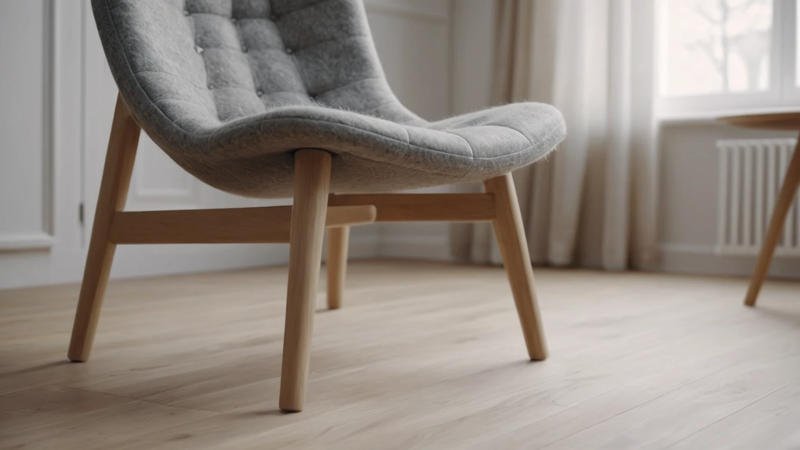
Felt furniture pads protect floors from scratches, reduce noise, and extend furniture life. Learn types, uses, and tips for best results.
Felt furniture pads are soft, adhesive or nail-on protectors placed under furniture legs to prevent scratches, reduce noise, and improve movement on floors. They’re affordable, easy to install, and ideal for hardwood, tile, laminate, and vinyl surfaces.
Table of Contents
Felt Furniture Pads: The Complete Guide To Floor Protection 🛋️
Ever dragged a chair across your floor and heard that awful scraping sound? That tiny moment can leave permanent damage. The good news? Felt furniture pads offer a simple, low-cost solution that protects your floors and keeps your home looking new.
Felt furniture pads are small cushions made of compressed fibers. They attach to the bottom of furniture legs. Their job is simple: reduce friction and prevent scratches. Whether you have hardwood, tile, or laminate floors, these pads act like a protective barrier.
What Are Felt Furniture Pads? 🧩
Felt furniture pads are protective pieces made from dense felt material. They are placed under furniture legs to reduce friction and prevent scratches. These pads are commonly used on chairs, tables, sofas, and even heavy cabinets.
They come in different shapes and sizes. You’ll find round, square, and rectangular options. Some are adhesive-backed, while others require nails or screws. This variety makes them suitable for almost any furniture type.
Why Felt Furniture Pads Are Essential 🏡
If you care about your floors, felt pads are a must-have. They help prevent costly damage caused by daily movement. Even small shifts can leave marks over time.
They also reduce noise. Moving chairs becomes quiet and smooth. This is especially helpful in apartments or homes with kids. Plus, they extend the life of your furniture and flooring.
Types Of Felt Furniture Pads Available 🔍
There are several types of felt pads, each designed for specific needs. Choosing the right one depends on your furniture and floor type.
- Adhesive Felt Pads – Easy to install, peel-and-stick
- Nail-On Felt Pads – Durable and long-lasting
- Heavy-Duty Felt Pads – Designed for large furniture
- Self-Leveling Pads – Great for uneven furniture legs
Each type offers unique benefits. Understanding them helps you make the best choice.
Adhesive Vs Nail-On Felt Pads ⚖️
Here’s a quick comparison to help you decide:
| Feature | Adhesive Pads | Nail-On Pads |
| Installation | Easy, no tools | Requires hammer |
| Durability | Moderate | High |
| Best For | Light furniture | Heavy furniture |
| Reusability | Limited | Long-lasting |
Adhesive pads are perfect for quick fixes. Nail-on pads are better for long-term use.
How Felt Pads Protect Your Floors 🛡️
Felt pads create a soft layer between furniture and flooring. This reduces direct contact and friction. As a result, scratches and dents are minimized.
They also distribute weight evenly. Heavy furniture won’t dig into your floors. This is especially important for hardwood and laminate surfaces.
Best Floors For Felt Furniture Pads 🪵
Felt pads work well on many floor types. However, they are especially effective on certain surfaces.
- Hardwood floors
- Laminate flooring
- Vinyl floors
- Tile surfaces
They may not be ideal for carpets. On soft surfaces, they can reduce stability.
Choosing The Right Size And Shape 📏
Selecting the right size is crucial. Pads that are too small won’t protect properly. Oversized pads may look awkward.
Measure your furniture legs carefully. Match the pad shape to the leg shape. Round legs need round pads, and square legs need square pads.
How To Install Felt Furniture Pads 🛠️
Installing felt pads is simple. Follow these steps for best results:
- Clean the furniture leg bottom
- Dry the surface completely
- Peel off the adhesive backing
- Press firmly for 10–15 seconds
For nail-on pads, use a hammer gently. Avoid damaging the furniture leg.
Common Mistakes To Avoid ❌
Many people make small mistakes that reduce effectiveness. Avoid these for better results.
- Not cleaning surfaces before applying
- Using the wrong size pad
- Ignoring worn-out pads
- Applying pads unevenly
These mistakes can lead to poor protection and faster wear.
How Long Do Felt Pads Last? ⏳
Felt pads don’t last forever. Their lifespan depends on usage and furniture weight. On average, they last 3 to 6 months.
High-traffic areas wear them out faster. Check them regularly. Replace them when they become thin or dirty.
Maintenance Tips For Felt Pads 🧼
Keeping felt pads in good condition extends their life. Regular maintenance is key.
- Check pads every month
- Clean debris from pads
- Replace worn-out ones quickly
Dirty pads can scratch floors. Keeping them clean ensures smooth movement.
Cost Of Felt Furniture Pads 💰
Felt pads are very affordable. You can protect your entire home without spending much.
| Type | Average Price Range |
| Adhesive Pads | $5 – $15 |
| Nail-On Pads | $10 – $25 |
| Heavy-Duty Pads | $15 – $30 |
They offer great value compared to floor repair costs.
Benefits Beyond Floor Protection 🌟
Felt pads do more than prevent scratches. They improve your daily living experience.
- Reduce noise while moving furniture 🔇
- Make cleaning easier 🧹
- Improve furniture stability
- Prevent dents and marks
These small pads deliver big benefits.
Eco-Friendly Felt Pad Options 🌱
Many brands now offer eco-friendly felt pads. These are made from recycled materials.
They are safe for the environment and your home. Look for non-toxic adhesives. Sustainable options are becoming more popular.
When To Replace Felt Furniture Pads 🔄
Knowing when to replace pads is important. Worn-out pads lose effectiveness.
Replace them when you notice:
- Thinning felt material
- Loose adhesive
- Visible dirt buildup
- Scratches appearing again
Regular replacement keeps your floors safe.
Felt Pads Vs Rubber Pads 🆚
Both felt and rubber pads have their uses. Choosing the right one depends on your needs.
| Feature | Felt Pads | Rubber Pads |
| Movement | Smooth sliding | Strong grip |
| Best For | Hard floors | Prevent slipping |
| Noise Level | Quiet | Slight noise |
Felt pads are better for sliding. Rubber pads are better for stability.
Tips For Maximum Effectiveness 💡
To get the best results, follow these tips:
- Use high-quality pads
- Replace them regularly
- Match pad type to furniture weight
- Avoid dragging furniture excessively
Small habits can make a big difference.
Conclusion 🏁
Felt furniture pads are a simple yet powerful solution for protecting your floors. They prevent scratches, reduce noise, and make furniture easier to move. With the right type and proper maintenance, they can save you money and effort in the long run. Investing in felt pads is one of the easiest ways to keep your home looking clean and damage-free.
FAQs ❓
- How to use felt pads on heavy furniture?
Clean the furniture legs before applying pads. Use nail-on pads for better durability. Check them regularly for wear. - Do felt pads work on tile floors?
Yes, felt pads work well on tile surfaces. They prevent scratches and reduce noise. Make sure they are clean for best results. - How often should I replace felt pads?
Replace felt pads every 3 to 6 months. High-use furniture may need more frequent changes. Check them monthly for wear. - Can felt pads damage hardwood floors?
No, they protect hardwood floors when clean. Dirty or worn pads can cause scratches. Keep them maintained for safety. - What size felt pads should I choose?
Measure your furniture legs carefully. Choose pads that match the exact size. Proper fit ensures better protection.





Leave a Reply