

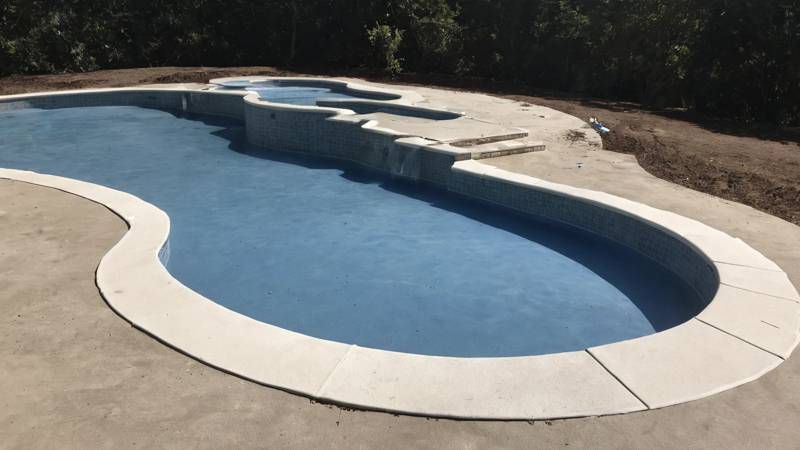
Pool replastering is one of those upgrades homeowners don’t think about until the surface starts feeling rough and looking worn out.
I still remember stepping into my uncle’s pool one summer and noticing how the once-smooth floor had turned gritty underfoot.
That small detail completely changed the experience, and that’s when the idea of resurfacing became unavoidable.
Understanding the true cost behind this process helps you plan better and avoid surprises later.
This guide breaks everything down so you know what you’re actually paying for and why it matters.
Table of Contents
What pool resurfacing actually involves
Pool replastering is not just about aesthetics.
It’s a full process that restores the interior surface and protects the structure underneath.
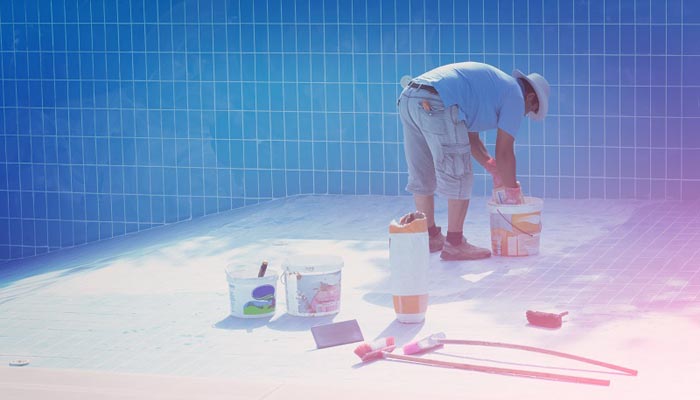
The existing layer is either removed or prepped, depending on its condition.
Cracks, chips, and weak spots are repaired before any new material is applied.
Then a fresh finish is installed, which could be standard plaster, quartz blend, or pebble.
Each material comes with its own texture, durability, and price point.
I once watched a resurfacing crew work through a full day, and it was clear how much precision the process required.
Timing, weather, and technique all played a role in getting that perfect finish.
What homeowners typically pay
Most homeowners spend between $4,000 and $12,000 for a full resurfacing job.
Basic plaster is the most budget-friendly option.
Quartz finishes cost more but offer better durability and color consistency.
Pebble finishes are premium and can significantly increase the total price.
Pool size plays a big role in the final number.
A larger pool means more materials and longer labor hours.
I spoke with a homeowner who upgraded to a pebble finish and paid nearly double, but they valued the longer lifespan.
Factors that influence the final price
Pool size and design
A simple rectangular pool is easier and cheaper to resurface.
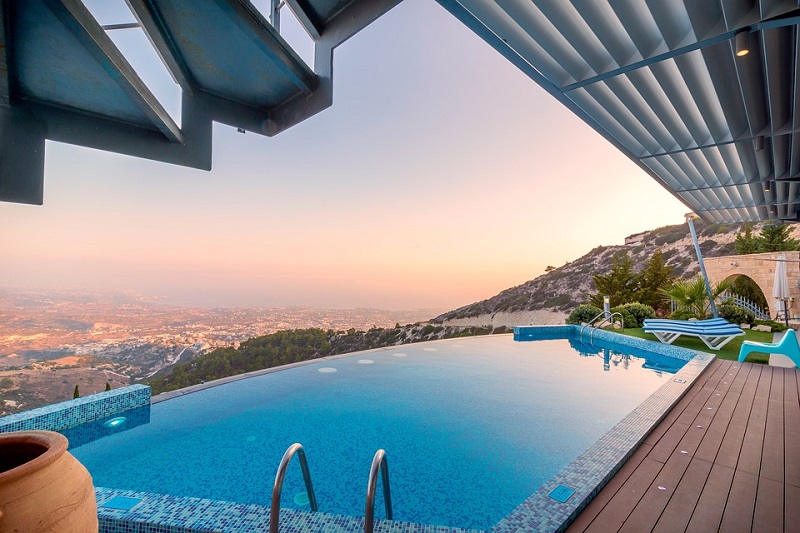
Freeform pools with curves and steps require more detailed work.
That complexity increases labor time and cost.
Material selection
Standard plaster is cost-effective but less durable.
Quartz offers a balance between price and longevity.
Pebble finishes provide a natural look and extended lifespan.
Choosing the right material depends on your long-term goals.
Surface condition
If the existing surface has major damage, repairs will add to the cost.
Cracks and leaks must be fixed before applying a new layer.
Skipping repairs leads to bigger issues down the line.
Labor and expertise
Experienced professionals may charge more, but their work tends to last longer.
I’ve seen budget jobs fail quickly because corners were cut during preparation.
Hidden costs homeowners often overlook
Many people only think about the resurfacing price itself.
But there are additional costs that come with the process.
Refilling the pool after draining can increase your water bill.
Balancing chemicals is necessary once the job is complete.
Sometimes equipment upgrades become necessary if issues are discovered.
A friend of mine planned for a simple resurfacing but ended up replacing outdated plumbing.
That added expense, but it improved the overall system efficiency.
How long a resurfaced pool lasts
A standard plaster finish typically lasts 7 to 10 years.
Quartz surfaces can extend that lifespan to around 15 years.
Pebble finishes often last over 20 years with proper care.
Maintenance plays a critical role in longevity.
Balanced water chemistry prevents early wear and staining.
Regular cleaning keeps the surface smooth and visually appealing.
I’ve seen well-maintained pools look brand new even after years of use.
Signs it’s time for resurfacing
Rough texture is one of the first warning signs.
Persistent stains that don’t respond to cleaning indicate deeper issues.
Cracks or flaking plaster signal structural concerns.
Water loss can also point to surface damage.
Ignoring these signs can lead to more expensive repairs later.
A neighbor delayed resurfacing for too long and ended up dealing with structural fixes that doubled the cost.
Ways to manage your budget wisely
Schedule resurfacing during slower seasons when demand is lower.
Contractors may offer better pricing during off-peak times.
Compare multiple quotes to understand the market rate.
Choose materials that balance durability and cost.
Avoid going for the cheapest option if it sacrifices quality.
One homeowner I know saved significantly by planning and negotiating based on multiple estimates.
What the process feels like in real life
Having your pool resurfaced can feel disruptive for a short time.
The pool will be unusable during the process.
There will be noise and activity in your backyard.
But the transformation at the end makes it worth it.
I remember seeing a freshly finished pool gleam under sunlight, and it felt like a completely new space.
That moment made all the inconvenience worthwhile.
Is the investment worth it
Pool replastering is not just about appearance.
It protects the underlying structure and extends the pool’s lifespan.
A smooth surface improves comfort and safety.
It can also increase property value.
Think of it as essential maintenance rather than an optional upgrade.
Delaying it often leads to higher costs in the future.
Planning your next steps
Start by assessing your pool’s current condition.
Set a realistic budget that includes potential hidden costs.
Choose materials based on long-term value, not just upfront price.
Work with experienced professionals who understand the process.
With the right approach, resurfacing becomes a smart investment that enhances both function and aesthetics.
Leave a Reply