

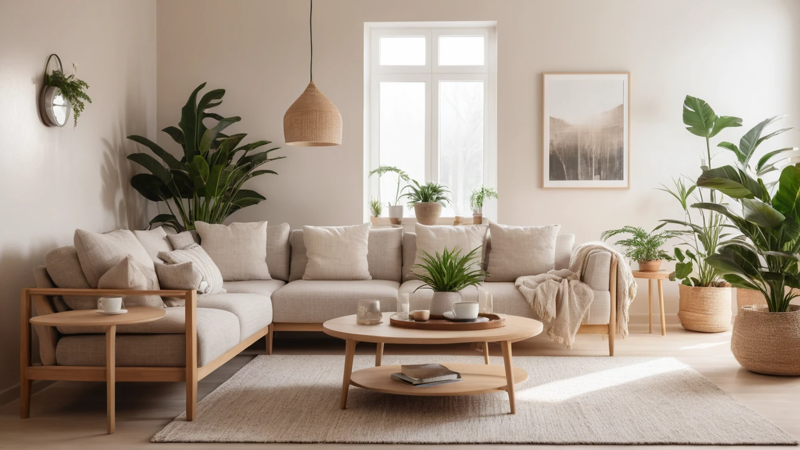
Why Furniture Matters More Than You Think shapes comfort, mood, and productivity. Learn how the right pieces improve daily life.
Furniture affects how you feel, work, and relax every day. The right pieces improve comfort, boost focus, and shape mood. Smart furniture choices also make spaces more functional and long-lasting. A well-furnished home supports both daily tasks and overall well-being in simple, meaningful ways.
Table of Contents
Why Furniture Matters More Than You Think – Smart Living
Furniture is often seen as a practical necessity, something chosen to fill a space or complete a room. However, its impact goes far beyond basic function. The pieces used every day shape comfort, productivity, mood, and overall well-being. From a leather lounge suite that supports relaxation to a desk that shapes daily routines, each piece contributes to everyday experiences in subtle but meaningful ways.
Understanding the importance of furniture helps create spaces that are not only visually appealing but also supportive of everyday living.
Comfort Shapes Your Day
Comfort is one of the most immediate ways a space affects daily life. Seating, bedding, and work surfaces all influence how the body feels throughout the day.
Thoughtful choices in how a room is arranged, the materials used, and the support provided by everyday items can make a big difference in physical well-being. Poorly considered layouts or hard-to-use pieces, on the other hand, can lead to discomfort, fatigue, and long-term strain.
Prioritising comfort ensures living spaces feel inviting, practical, and easy to enjoy every day.
Spaces Boost Focus
Furniture plays a key role in how effectively daily tasks are completed. Workspaces, study areas, and dining setups all rely on the right furniture to support focus and efficiency.
For example:
- A supportive chair and desk setup improves concentration for work or study
- A well-arranged dining space encourages mindful eating and family interaction
- Multi-functional furniture reduces clutter and distractions
When furniture supports movement and organisation, productivity and engagement naturally improve.
Design Sets the Mood
The look and feel of furniture directly affect the mood of a space. Colours, textures, and materials all contribute to the atmosphere of a home.
A well-chosen lounge can add sophistication and warmth to living areas, creating a sense of calm while elevating style. Similarly, choosing the right bed frame with a mattress helps turn any bedroom into a peaceful and inviting space, ideal for relaxation.
Thoughtfully selected furniture helps craft an environment that supports emotional comfort and balance.
Arrangement Defines Function
Furniture determines how a space functions. The same room can serve entirely different purposes depending on how it is furnished and arranged.
For instance:
- A living room with ample seating encourages conversation and social gatherings
- A bedroom with a king-size bedframe prioritises rest
- Multi-functional furniture allows smaller rooms to adapt to different needs
Choosing furniture that aligns with lifestyle requirements makes spaces practical, versatile, and efficient.
Quality Lasts Longer
Furniture is not just a short-term choice. High-quality pieces contribute to long-term comfort, durability, and aesthetic value. Investing in well-made items reduces the need for frequent replacements and helps maintain a consistent design throughout the home.
Timeless, durable pieces keep a space functional and visually appealing as styles evolve. Choosing long-lasting items helps create a home that feels balanced, practical, and welcoming.
Conclusion
Furniture plays a far more important role in daily life than it is often given credit for. It shapes comfort, supports productivity, influences mood, and defines how spaces are used. By making intentional choices, it becomes possible to create environments that enhance both well-being and everyday functionality.
A well-furnished home is not just about aesthetics. It is about creating spaces that support daily living in meaningful and lasting ways.
Frequently Asked Questions
Why does furniture have such a big impact on daily life?
Furniture shapes comfort, productivity, mood, and overall well-being. Thoughtful choices in seating, bedding, and work surfaces can make everyday tasks easier and more enjoyable.
How can furniture improve comfort at home?
Well-arranged and supportive pieces reduce physical strain and create inviting spaces. Comfort-focused selections make rooms practical, relaxing, and easy to use daily.
Can furniture influence focus and productivity?
Yes. Organised spaces with functional seating, desks, and dining areas support concentration, efficiency, and smooth daily routines.
How does furniture affect the mood of a room?
Materials, textures, and colours contribute to a room’s atmosphere. Thoughtfully selected items help create spaces that feel calm, warm, and emotionally balanced.
Why is investing in quality pieces important?
Durable, timeless items last longer, maintain functionality, and keep spaces visually appealing. Choosing long-lasting pieces creates a home that is practical, welcoming, and well-curated.
Why does furniture impact daily comfort at home?
Furniture supports your body during daily tasks. A good chair or bed reduces strain and fatigue. Poor furniture can cause discomfort over time. Choosing supportive pieces makes your home feel relaxing and easy to use.
How can furniture improve productivity at home?
A proper desk and chair setup helps you stay focused longer. Organized spaces reduce distractions. Comfortable furniture also keeps your energy steady. This makes work and study feel smoother and faster.
How does furniture affect mood in a room?
Colors, textures, and materials set the tone of a space. Soft fabrics feel calming and warm. Bright or modern designs can boost energy. The right furniture creates a balanced and happy environment.
Why should I invest in quality furniture pieces?
High-quality furniture lasts much longer. It saves money over time by avoiding replacements. Good materials also keep their look and comfort. This helps your home stay stylish and functional.
How do I choose furniture for small spaces wisely?
Pick multi-functional pieces like storage beds or foldable tables. Keep layouts simple and open. Choose light colors to make space feel bigger. Smart choices help small rooms feel comfortable and useful.




Leave a Reply