

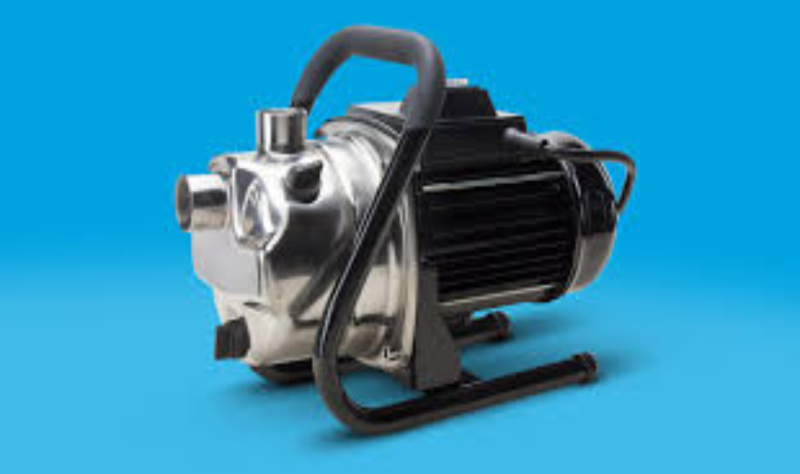
Monarch repair parts are essential when you want to keep your water pump running efficiently without replacing the entire system.
I learned this the hard way when a small seal failure caused my pump to lose pressure during a weekend irrigation job.
Instead of replacing the whole unit, I focused on finding the right components and saved both time and money.
A well-maintained pump system depends on the right replacement components, whether it is for agriculture, plumbing, or industrial use.
Choosing the correct pump components can improve performance, extend equipment life, and prevent unexpected downtime.
If you have ever dealt with water flow issues or unusual pump noise, you already know how critical quality parts are.
Using compatible repair kits and components makes all the difference in restoring efficiency.
Table of Contents
Understanding Your Water Pump System
Before selecting replacement components, you need to understand how your water pump operates.
Most systems rely on a combination of impellers, seals, shafts, and motors to maintain pressure and flow.
When I first started working with irrigation systems, I ignored the importance of matching parts to pump specifications.
That mistake caused repeated breakdowns and unnecessary expenses.
Each pump model has unique requirements, so identifying the exact part type is critical.
Look at the pump model number, pressure rating, and material compatibility before buying anything, and make sure you are sourcing compatible monarch repair parts designed for your system.
Using the wrong part may fit physically but fail under pressure or temperature conditions.
Key Components That Commonly Need Replacement
Water pumps consist of several moving parts that experience wear over time.
Knowing which components fail most often helps you plan maintenance more effectively.
Seals and O-Rings
Seals prevent leaks and maintain internal pressure.
Over time, exposure to heat and friction causes them to degrade.
I once noticed a slight drip near a pump housing that seemed harmless.
Within days, it turned into a major leak that reduced system efficiency.
Replacing worn seals early can prevent bigger problems later.
Impellers
Impellers are responsible for moving water through the system.
If they become damaged or clogged, the pump loses efficiency.
A cracked impeller can reduce water pressure without obvious signs.
Regular inspection helps catch these issues before they escalate.
Bearings and Shafts
Bearings reduce friction and support smooth operation.
When they wear out, you may hear grinding or vibration.
I remember hearing a faint humming noise that gradually became louder.
It turned out to be a worn bearing that could have been replaced earlier.
Motor Components
Motor parts are critical for consistent performance.
Electrical issues or overheating can damage these components over time.
Ensuring compatibility with your system voltage and load requirements is essential.
How to Identify the Right Replacement Parts
Selecting the right replacement components is not just about size.
You need to consider performance, durability, and compatibility.
Start by checking the manufacturer specifications.
Match the part number whenever possible to avoid mismatches.
If the original component is unavailable, look for equivalent options with similar ratings.
Pay attention to materials such as stainless steel, cast iron, or thermoplastics.
Environmental conditions also play a role.
For example, pumps used in agriculture may require corrosion-resistant materials.
Signs Your Pump Needs New Parts
Recognizing early warning signs can save you from costly repairs.
Many issues start small but worsen over time.
Reduced water pressure is often the first indicator.
Leaks around the housing or fittings suggest seal failure.
Unusual noises such as grinding or rattling usually point to worn bearings.
Overheating can indicate motor stress or internal blockage.
I once ignored a slight drop in performance thinking it was a minor issue.
It eventually led to a complete shutdown during peak usage.
Regular inspection and timely replacement prevent these situations.
Tips for Extending Pump Life
Maintenance is just as important as choosing the right parts.
Simple practices can significantly extend the life of your system.
Clean the pump regularly to prevent debris buildup.
Check for leaks and tighten connections as needed.
Lubricate moving parts to reduce friction.
Monitor pressure levels to ensure the system is operating within limits.
I make it a habit to inspect my pump system every few weeks.
This routine has helped me avoid unexpected failures.
Choosing Quality Over Cost
It can be tempting to choose cheaper components to save money.
However, low-quality parts often lead to frequent replacements.
Investing in durable components ensures long-term performance.
High-quality materials can withstand pressure, temperature, and wear.
In my experience, spending a little more upfront reduces maintenance costs over time.
It also provides peace of mind knowing your system will perform reliably.
Final Thoughts on Making the Right Choice
Selecting the right components is not complicated when you understand your system.
Focus on compatibility, durability, and performance.
Pay attention to early warning signs and replace worn components promptly.
Regular maintenance combined with quality parts ensures your pump operates efficiently.
I have learned through experience that proactive care always beats reactive repairs.
A small investment in the right components can save you from major headaches later.
With the right approach, your water pump can deliver consistent performance for years.




Leave a Reply